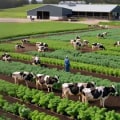
Dairy farming is a cornerstone of the agricultural landscape in the United States, playing a vital role in both the economy and the daily lives of millions. With a rich history that dates back centuries, the U.S. dairy industry has evolved into one of the most advanced and productive sectors in the world. Today, dairy farms across the nation are not only focused on producing high-quality milk but also on implementing sustainable practices that benefit both farmers and consumers. Understanding milk production is essential for grasping the significance of dairy farming.
On average, a single cow can produce a remarkable amount of milk each year, contributing to the vast quantities that supply our grocery stores and local markets. This average milk yield is influenced by various factors, including breed, diet, and farming practices, making it a fascinating topic for both industry professionals and consumers alike. The U.S. dairy industry is characterized by its diversity, with farms ranging from small family-owned operations to large-scale commercial enterprises. Each type of farm contributes uniquely to the overall dairy farming ecosystem, impacting everything from local economies to global markets.
As we delve deeper into this topic, we will explore not only the average milk production per cow but also how these figures reflect broader trends in agricultural innovation and consumer demand.
Overview of Dairy Farming Practices
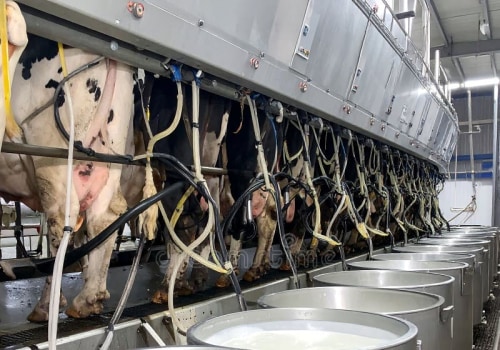
Dairy farming is a vital component of the agricultural sector in the United States, contributing significantly to the economy and food supply. Understanding the dairy farming practices is essential for anyone interested in this industry. There are several types of dairy farms, each with its unique approach to milk production. The most common types include:- Conventional Dairy Farms: These farms typically use large-scale operations with advanced technology to maximize milk output. They often employ practices such as automated milking systems and feed management to enhance efficiency.
- Organic Dairy Farms: These farms adhere to strict organic standards, focusing on natural feed and sustainable practices.
Organic dairy farming often results in lower milk yields but appeals to consumers seeking healthier options.
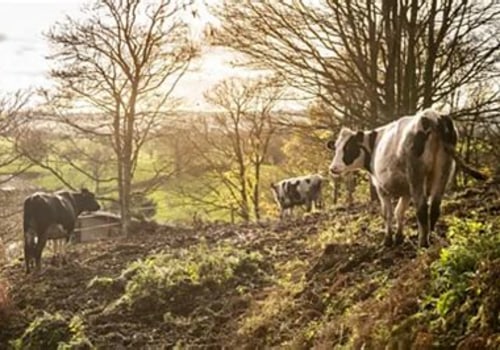
- Grass-Fed Dairy Farms: These farms prioritize pasture-based feeding, allowing cows to graze on grass. This method is believed to produce milk with higher nutritional value and better flavor.
- Nutritional Management: Providing a balanced diet rich in vitamins and minerals is crucial for maintaining cow health and optimizing milk production.
- Health Monitoring: Regular veterinary check-ups and vaccinations help prevent diseases that can affect milk yield.
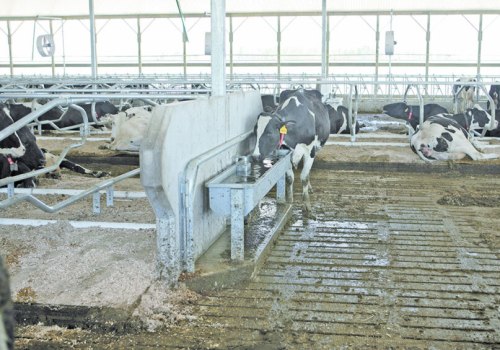
- Comfortable Living Conditions: Ensuring that cows have adequate space, clean bedding, and proper ventilation contributes to their overall well-being and productivity.
Factors Influencing Milk Production per Cow
Understanding the factors influencing milk production per cow is essential for dairy farmers aiming to optimize their operations. Several key elements play a significant role in determining how much milk a cow can produce.Cow Genetics
The genetic makeup of a cow is one of the most critical factors affecting milk yield.Genetic selection has led to the development of breeds that are specifically optimized for high milk production. For instance, Holsteins are known for their impressive output, often averaging over 22,000 pounds of milk per year. In contrast, other breeds may produce less but offer advantages in terms of fat content or adaptability to specific environments.
Nutrition
A cow's diet directly impacts her milk production capabilities.Nutrition
must be carefully balanced to ensure that cows receive adequate energy, protein, vitamins, and minerals.High-quality forage, grains, and supplements can significantly enhance milk yield. Farmers often conduct regular feed analysis to tailor diets that meet the specific needs of their herd, ensuring optimal health and productivity.
Environmental Conditions
The environment in which cows are raised also plays a vital role in their milk production. Factors such as temperature, humidity, and overall living conditions can affect a cow's comfort and stress levels. Cows that are kept in a clean, comfortable environment with proper ventilation tend to produce more milk than those in less favorable conditions.Additionally, managing heat stress during warmer months is crucial for maintaining high production levels. In summary, the average milk production per cow in the United States is influenced by a combination of genetics, nutrition, and environmental factors. By understanding and optimizing these elements, dairy farmers can enhance their herd's productivity and overall efficiency.
Average Milk Production Statistics in the U.S.
In the United States, the average milk production per cow has seen significant growth over the years, reflecting advancements in dairy farming practices, genetics, and nutrition. As of 2023, the average milk yield per cow is approximately 23,000 pounds annually. This figure represents a remarkable increase from historical averages; for instance, in the 1970s, the average was around 10,000 pounds per cow.The increase in milk production can be attributed to several factors:- Genetic Improvements: Breeding programs have focused on enhancing traits such as milk yield and disease resistance.
- Nutritional Advances: Improved feed formulations have led to better health and productivity among dairy cows.
- Management Practices: Modern dairy farms employ advanced technologies for milking and herd management, contributing to higher efficiency.
dairy statistics, it is essential to consider regional variations. For example:
- California: The leading state in milk production, averaging about 25,000 pounds per cow.
- Wisconsin: Known as "America's Dairyland," averages around 22,000 pounds .
- New York: Another significant producer with an average of approximately 20,000 pounds .
Regional Variations in Milk Production
Milk production in the United States is not uniform; it varies significantly across different regions.Understanding these regional differences is crucial for grasping the dynamics of dairy farming in the country.Several states stand out as leaders in milk production, primarily due to their favorable climates, advanced farming techniques, and large-scale operations. The top five milk-producing states are:
- California: As the largest producer, California contributes nearly 20% of the nation’s milk supply. The state’s warm climate and extensive irrigation systems support year-round dairy farming.
- Wisconsin: Known as "America's Dairyland," Wisconsin ranks second, with a strong emphasis on cheese production. The state’s rich soil and abundant forage crops create ideal conditions for dairy cows.
- New York: With its diverse agricultural landscape, New York is a significant player in the dairy industry, focusing on both fluid milk and cheese production.
- Texas: Rapidly growing in the dairy sector, Texas benefits from large land areas and a favorable business environment for dairy operations.
- Idaho: Known for its high-efficiency farms, Idaho has seen a surge in milk production due to its favorable climate and access to feed resources.
For instance, states like Florida and Maine have lower production rates due to factors such as climate challenges and smaller-scale operations. In Florida, the hot and humid weather can stress dairy cows, leading to lower yields.The dairy farming regions of the U.S. can be broadly categorized into three main areas: the Northeast, the Midwest, and the West. Each region has its unique characteristics that influence milk production:
- Northeast: This region is known for its small to medium-sized farms that focus on high-quality milk and specialty products.
- Midwest: Dominated by larger farms, this area excels in both quantity and quality of milk production, particularly in cheese manufacturing.
- West: Characterized by vast dairy operations, this region benefits from technological advancements and efficient farming practices.
but also underscores the importance of local conditions in shaping the industry.
Technological Advances in Dairy Farming
In recent years, technological advances in dairy farming have significantly transformed the industry, leading to improved milk production efficiency and quality. These innovations not only enhance the productivity of dairy farms but also contribute to better animal welfare and sustainability.One of the most notable advancements is in milking technology. Automated milking systems (AMS) allow cows to be milked on their own schedule, reducing stress and increasing overall milk yield. These systems utilize sensors and robotics to ensure that each cow is milked efficiently, which can lead to an increase in average milk production per cow.Additionally, AMS can monitor the health and well-being of the cows, providing real-time data that helps farmers make informed decisions.Another critical area where technology has made a significant impact is in farm management software. This software enables dairy farmers to track various metrics such as milk production, feed efficiency, and herd health. By analyzing this data, farmers can identify trends and make adjustments to their practices that optimize production. For instance, precise feeding strategies can be developed based on individual cow performance, ensuring that each animal receives the right nutrients for maximum output.Moreover, advancements in genetic selection and breeding technologies have led to the development of high-yielding dairy breeds.
These breeds are specifically engineered for optimal milk production, further enhancing the average yield per cow. Coupled with improved herd management practices facilitated by technology, farmers can achieve remarkable results.In conclusion, the integration of technology in dairy farming has revolutionized the industry. From automated milking systems to sophisticated farm management software, these tools not only boost productivity but also promote sustainable practices that benefit both farmers and consumers alike.
Sustainability and Future Trends in Dairy Farming
The dairy farming industry is undergoing significant transformations as it adapts to the growing demand for sustainability and environmental responsibility. As consumers become more conscious of their food sources, dairy farmers are implementing innovative practices to reduce their environmental impact while maintaining productivity.Sustainable dairy farming
practices focus on minimizing waste, conserving water, and reducing greenhouse gas emissions.Many farms are adopting technologies such as anaerobic digesters, which convert manure into renewable energy, thereby decreasing reliance on fossil fuels. This not only helps in managing waste but also contributes to a more sustainable energy model.Another trend is the integration of precision agriculture techniques. By utilizing data analytics and smart farming technologies, dairy farmers can optimize feed efficiency and monitor cow health more effectively. This leads to improved milk production per cow while ensuring that resources are used judiciously.
- Water Conservation: Implementing systems for rainwater harvesting and efficient irrigation helps in reducing water usage.
- Feed Management: Using high-quality feed and supplements can enhance milk yield and reduce methane emissions from digestion.
- Animal Welfare: Prioritizing the health and well-being of cows not only improves milk quality but also aligns with consumer expectations for ethical farming practices.
Consumers want to know where their food comes from and how it is produced. As a result, many dairy farms are adopting certification programs that highlight their commitment to sustainable practices.In conclusion, the shift towards sustainability in dairy farming is not just a trend but a necessary evolution in response to environmental challenges and consumer demands. By embracing these practices, the industry can ensure its viability for future generations while continuing to provide high-quality milk products.
FAQs About Milk Production and Dairy Farming
Understanding milk production and the intricacies of dairy farming can raise many questions. Here are some frequently asked questions that shed light on this vital agricultural sector.What is the average milk production per cow in the United States?
The average milk production per cow in the United States is approximately 22,000 pounds annually.This figure can vary based on factors such as breed, diet, and overall management practices on the farm.
How do farmers ensure high milk production?
- Nutrition: Providing a balanced diet rich in essential nutrients is crucial for maximizing milk yield.
- Genetics: Selecting high-producing breeds, such as Holsteins, can significantly impact overall output.
- Health Management: Regular veterinary care and monitoring for diseases help maintain cow health and productivity.
- Milking Technology: Utilizing advanced milking equipment can enhance efficiency and comfort for the cows.
What are common questions about dairy cow care?
- How often are dairy cows milked?
Cows are typically milked two to three times a day, depending on the farm's practices. - What do dairy cows eat?
Dairy cows primarily consume a diet of hay, silage, grains, and specially formulated feed to meet their nutritional needs. - How do farmers manage cow comfort?
Cow comfort is managed through proper housing, bedding, ventilation, and access to clean water.
Conclusion: Key Takeaways on Average Milk Production per Cow
In summary, understanding the average milk production per cow is crucial for anyone involved in dairy farming. Throughout this article, we have explored various factors that influence milk yield, including genetics, nutrition, and management practices.Here are the key takeaways:- Current Average Production: The average milk production per cow in the United States is approximately 22,000 pounds annually, showcasing the efficiency of modern dairy farming techniques.
- Impact of Genetics: Breeding programs focusing on high-yielding breeds have significantly contributed to increased milk production, emphasizing the importance of genetic selection in dairy operations.
- Nutritional Management: A well-balanced diet tailored to the specific needs of dairy cows can enhance milk output. This includes proper forage quality and mineral supplementation.
- Technological Advancements: Innovations such as automated milking systems and herd management software have revolutionized dairy farming, allowing farmers to monitor and optimize production more effectively.
- Sustainability Practices: Implementing sustainable practices not only benefits the environment but can also lead to improved cow health and productivity, ultimately affecting milk yield.